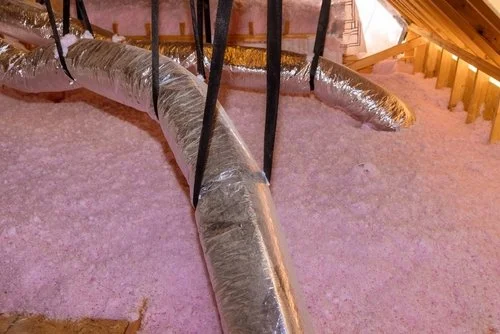
Insulation Installation based in Fort Worth, TX
Spray Foam, Attic Insulation, Blown-in Insulation, Radiant Barrier, and Commercial Insulation quote options throughout Dallas-Fort Worth.
We’re from Fort Worth, so we know it gets hot here, unlike the Dallas Cowboys in November, much to our everlasting disappointment. But we also know several days of extreme cold aren’t out of question. Who here remembers Ice-mageddon? I do! This means a properly insulated home or building can make a major difference in comfort, efficiency, and long-term performance. Whether you are dealing with a hot upstairs room, high energy bills, old attic insulation, a new construction project, or a commercial building that needs better temperature control, the right insulation system matters.
We helps homeowners and property owners with spray foam insulation, blown-in insulation, radiant barrier installation, insulation removal, soundproofing insulation, and commercial insulation services.
If you are located in Dallas, Fort Worth, Grapevine, Southlake, Colleyville, Flower Mound, Keller, Mansfield, Plano, Frisco, McKinney, Arlington, Irving, Grand Prairie, or surrounding North Texas communities, you can request a quote and we’ll provide you fast, reliable, and professional quote.
Local Insulation Services in North Texas
Every home and building is different. Some properties need attic insulation added over old material. Others need insulation removed before a new system can be installed like in the case of a rodent infestation or a change to the type of insulation being used. Some projects call for spray foam, while others may be better suited for blown-in insulation, radiant barrier, fiberglass, or a commercial insulation system.
Whatever your needs are, our highly skilled team can identify the right insulation for your particular property, efficiency goals, and budget. We’re here to help you. We know insulation!
Spray Foam Insulation
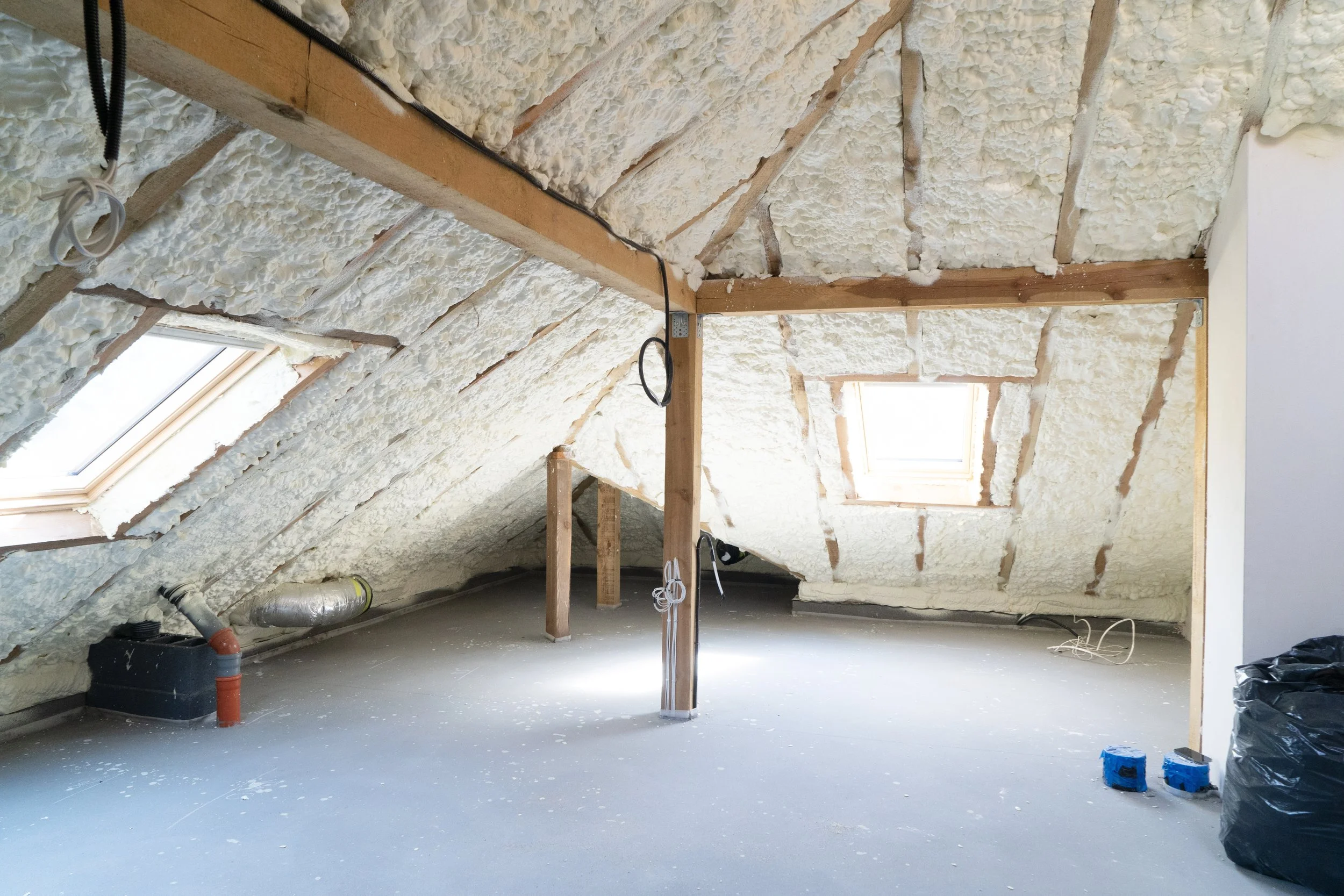
Spray foam insulation is our most called about product and is commonly used in attics, walls, rooflines, shops, garages, metal buildings, and commercial spaces. It is popular because it can help reduce air movement, improve comfort, and create a tighter building envelope. The best time to install spray foam is during construction, and the next best time is today. This is a high performing system; however, it is more expensive.
Best for: attics, rooflines, walls, metal buildings, shops, garages, new construction, and commercial spaces.
Learn more about spray foam insulation
Attic Insulation
Attic insulation is one of the most common insulation upgrades for homes in North Texas. Because heat builds quickly in attic spaces during Texas summers, poor attic insulation can make a home less comfortable and harder to cool. Most existing homes have insulation in the attic, but it is often patchy and starting to degrade.
Upgrading attic insulation may help improve comfort, reduce hot rooms, and support better overall home efficiency. The right attic insulation system depends on the existing insulation, attic ventilation, air sealing needs, and the condition of the space.
Best for: older homes, hot upstairs rooms, high cooling bills, attic upgrades, and home efficiency improvements.
Explore attic insulation options
Blown-In Insulation
Blown-in insulation is often used in attic spaces and to retrofit projects. It can be a practical option when a homeowner wants to improve existing insulation levels without completely rebuilding the attic or wall system. This is often the most economical solution and it does work well when properly installed. We typically recommend additional blown-in insulation when existing fiberglass insulation is present and it is in good condition.
Blown-in insulation may be made from fiberglass or cellulose, depending on the project and provider.
It is commonly used to add coverage, improve R-value, and fill gaps in attic spaces.
Best for: attic insulation upgrades, existing homes, retrofit projects, and adding insulation over
under-insulated areas.
Tell us a little about your project
Radiant Barrier Installation
Radiant barriers are designed to help reduce radiant heat transfer in attic spaces. In a hot climate like Dallas-Fort Worth, radiant barrier systems are often considered as part of an attic heat-reduction strategy.
A radiant barrier is not the same as traditional insulation, but it can work alongside attic insulation to help reduce heat gain and improve comfort in certain homes. We do not recommend a radiant barrier as a standalone insulation system.
Best for: attic heat reduction, homes with high attic temperatures, Texas summer comfort, and energy-efficiency upgrades.
Compare radiant barrier options
Insulation Removal
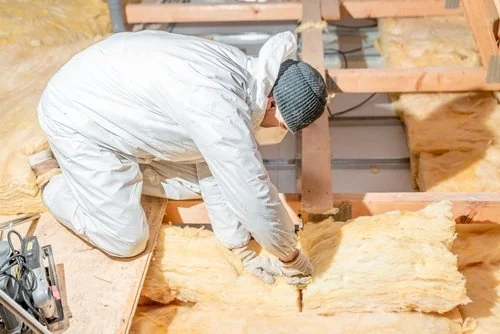
Old, damaged, compressed, contaminated, or poorly installed insulation may need to be removed before a new insulation system is added. Insulation removal is often considered when insulation has been affected by rodents, moisture, dust, smoke, or age. It is critical to remove insulation that has become wet due to a leak. Fiberglass and cellulose insulation can retain a surprising amount of water, which can quickly lead to a much larger mold issue. This type of insulation is comparatively cheap. Don’t save a dollar and end up spending thousands later on for mold remediation.
Removing old insulation can also make it easier to inspect the attic, seal air leaks, clean the space, and install a better-performing system.
Best for: old attic insulation, rodent-contaminated insulation, water-damaged insulation, attic cleanup, and insulation replacement projects.
Learn about insulation removal
Commercial Insulation
Commercial insulation may be used in warehouses, offices, metal buildings, retail spaces, restaurants, shops, churches, schools, storage facilities, and other business properties.
The right commercial insulation system depends on the building type, use, temperature-control needs, budget, code requirements, and project timeline. You’re a pro in your business and we’re pros in ours. Let us help you make the right decision when it comes to an insulation need.
Best for: warehouses, metal buildings, office buildings, retail spaces, shops, commercial renovations, and new construction.
Why Insulation Matters in North Texas
Dallas-Fort Worth homes and commercial buildings deal with intense summer heat, sudden cold fronts, humidity, wind, and year-round temperature swings. Poor insulation can make a building harder to keep comfortable and may cause heating and cooling systems to work harder than necessary.
Common signs that your insulation may need attention include:
Hot upstairs rooms
Uneven temperatures from room to room
High summer cooling bills
Cold rooms during winter
Drafts or air leaks
Old, thin, or compressed attic insulation
Rodent-contaminated insulation
Dusty or uncomfortable attic spaces
A garage, shop, or metal building that is difficult to heat or cool
A properly designed insulation system can help make a home or building more comfortable, more consistent, and more usable. The best option depends on the structure, the current insulation, the attic or wall conditions, and your goals.
What Does R-Value Mean?
R-value stands for resistance value. It measures how much a material resists the movement of heat.
A low R-value means heat can move through the material more easily. A higher R-value means the material slows heat movement more effectively.
Recommended insulation levels vary by climate zone, home type, existing insulation, and local code requirements. The U.S. Department of Energy lists recommended attic insulation ranges by climate zone. For Climate Zones 2 and 3, DOE’s table shows attic recommendations as high as R49–R60 for uninsulated attics and R38–R49 when there are already 3–4 inches of existing attic insulation.
That does not mean every Dallas-Fort Worth home automatically needs the same R-value. Local code requirements, home age, attic design, HVAC location, ventilation, air sealing, and budget all matter. A local insulation contractor can evaluate the attic and recommend an appropriate target
A practical way to think about R-value is this:
Low R-value means the home may be easier for heat to enter or escape.
Higher R-value means the home has more resistance to heat movement.
Proper installation helps the insulation perform closer to its rating.
Air sealing helps prevent unwanted air movement that insulation alone may not solve.
The best results usually come from matching the right insulation material, R-value, air sealing strategy, and installation method to the specific home.
Spray Foam vs. Traditional Insulation
One of the most common questions property owners ask is whether they should choose spray foam insulation, blown-in insulation, fiberglass, cellulose, or another insulation system.
The answer depends on the building and the goal.
Spray foam insulation is often chosen when air sealing, moisture control, and high performance are important. It can be used in attics, walls, rooflines, shops, metal buildings, and certain commercial spaces. Spray foam is available in different types, including open-cell and closed-cell foam, each with different characteristics.
Traditional insulation options, such as blown-in fiberglass or cellulose, may be a more cost-effective choice for many attic upgrades. These systems are commonly used to improve existing insulation levels, especially in homes that already have attic insulation but need additional coverage.
Radiant barrier systems are different from both spray foam and blown-in insulation. A radiant barrier is designed to reflect radiant heat and is often used in attic spaces as part of a broader heat-reduction strategy.
The right choice depends on:
The age and condition of your home or building
The current insulation level
The attic or wall structure
Your budget
Whether air sealing is needed
Whether insulation removal is required
Whether the project is residential or commercial
How quickly you need the work completed
Our professionals can help compare your options.
We’re Local, Based in Fort Worth, TX and Cover North Texas
Service areas include:
Dallas
Fort Worth
Grapevine
Southlake
Colleyville
Flower Mound
Keller
Coppell
Mansfield
Arlington
Irving
Grand Prairie
Plano
Frisco
McKinney
Allen
Richardson
Carrollton
Lewisville
Denton
Roanoke
Trophy Club
Westlake
North Richland Hills
Hurst
Euless
Bedford
Burleson
Midlothian
Waxahachie
Weatherford
Aledo
If you are located in or near Dallas-Fort Worth, you can request a quote for any of the services we offer. Our team is very good and wants to help you with your project.
Common Insulation Questions
What type of insulation is best for homes in Dallas-Fort Worth?
It depends. I know, we all dread that answer, but it is true. The best insulation depends on the home, attic, budget, and performance goals. Many homeowners consider blown-in insulation for attic upgrades, spray foam for higher-performance insulation and air sealing, and radiant barrier systems for attic heat reduction.
Is spray foam insulation better than fiberglass?
Spray foam and fiberglass work differently. Spray foam can help reduce air movement and create a tighter building envelope, while fiberglass is commonly used as a cost-effective attic or wall insulation material. The better choice depends on the structure, budget, and goals of the project.
When should old insulation be removed?
Old insulation may need to be removed if it is wet, contaminated, damaged by rodents, compressed, moldy, dusty, or no longer performing well. Insulation removal may also be recommended before installing a new system or sealing attic air leaks.
What is a radiant barrier?
A radiant barrier is a reflective material installed in attic spaces to help reduce radiant heat transfer. It is especially relevant in hot climates like North Texas. Radiant barriers are often used along with attic insulation as part of a broader heat-reduction strategy.
How much does insulation cost in Dallas-Fort Worth?
Again, it depends! Insulation cost depends on the size of the space, the type of insulation, the condition of the attic or building, whether old insulation must be removed, and the system selected. Spray foam costs more than basic blown-in insulation. Check out the cost guide.
Do insulation contractors handle both homes and commercial buildings?
Many insulation providers serve both residential and commercial customers, though some specialize in one area. Residential projects often include attic insulation, spray foam, radiant barrier, and insulation removal. Commercial projects may include metal buildings, warehouses, offices, retail spaces, and new construction.
Request an Insulation Quote in Dallas-Fort Worth
Ready to compare insulation options for your home, attic, shop, garage, or commercial building?
Tell us a little about your project. Whether you are considering spray foam insulation, attic insulation, blown-in insulation, radiant barrier installation, insulation removal, soundproofing, or commercial insulation, the best place to start is with a quote based on your specific space.
Request an Insulation Quote Today